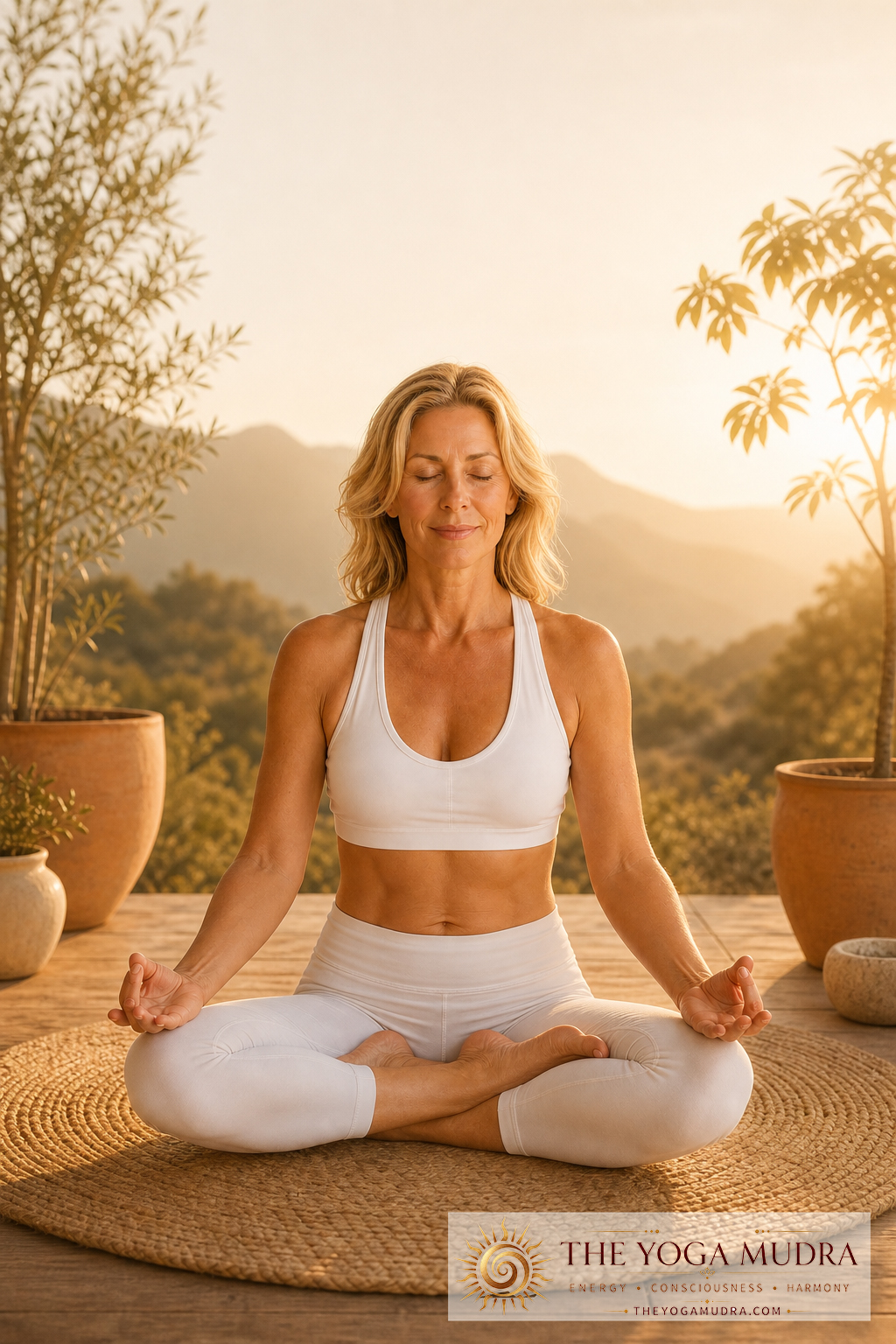
Yoga has never been more popular than it is today. Its many well-documented benefits draw more and more practitioners each year to this discipline that blends exercise and meditation. It comes in many forms, each with its own particular emphasis, and among them is tantric yoga — less familiar to the general public, yet heir to a tradition of remarkable antiquity.
Tantric yoga is centered above all on spiritual healing, and in particular on integrating body, mind, and soul into a coherent whole. In India, it belongs to an ancient tradition in which sexuality is seen as an important and meaningful step on the path toward a certain degree of enlightenment an idea that may surprise a Western eye, but one that holds its own coherence within this philosophy.
In Western religious norms, sexual pleasure and desire are generally not associated with spirituality; the two are, more often than not, kept at a distance from one another. This difference in tradition largely explains the fine line — sometimes hard to make out from the outside that separates attitudes toward sexuality from attitudes toward the sacred.
In Eastern philosophy, by contrast, the splendor of creation is celebrated rather than regarded with suspicion. Over time, this approach gave rise to a genuine study almost a science seeking to understand how to make the most of this experience, at once therapeutic and deeply human. In Tantra, energy itself is regarded as the very source of life, a principle that runs through this entire tradition.
Sexual energy and drive are thus seen, within this tradition, as a form of sacred energy. Various exercises, paired with certain dietary adjustments, are traditionally offered to support this dimension of the practice: contractions, breathwork, and the holding of certain postures, in a spirit close to the rest of yoga.
A number of benefits are traditionally associated with these exercises, notably improved prostate function or greater endurance. These are benefits traditionally reported by the practice rather than medically established conclusions: as with any exercise touching on health, it is best to keep a measured outlook and, when in doubt, to speak with a healthcare professional.
Beyond the body, there are also psycho-spiritual exercises, conceived as paths toward a meditation on unconditional love. The aim here is less about achieving a performance than about defusing the anxiety and self-consciousness that can sometimes accompany intimacy: by shifting attention away from the pressure to “do it right,” this approach seeks to lighten what might otherwise weigh on the relationship.
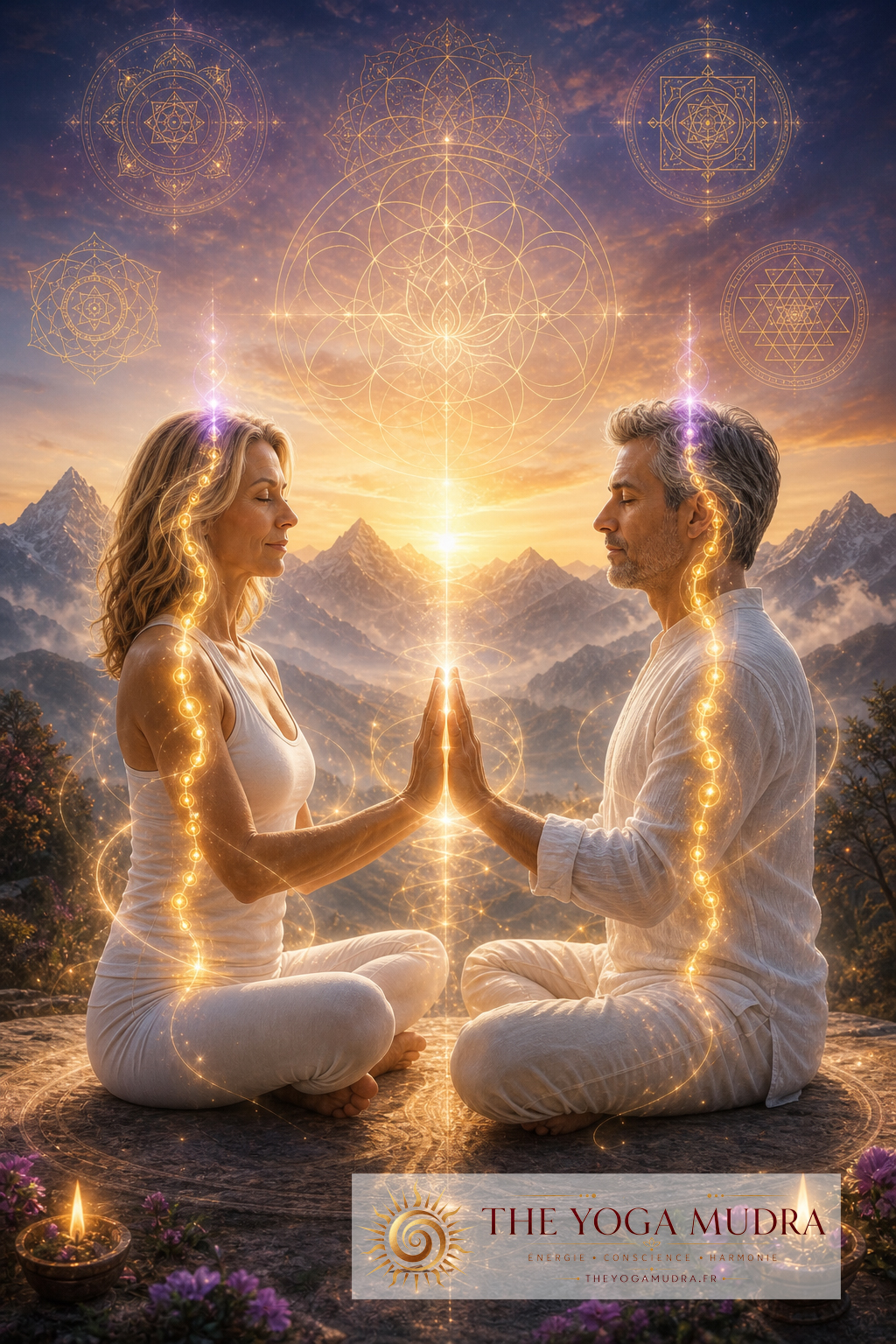
This tradition places great emphasis on attentiveness to the other: giving oneself fully to one’s partner, listening sincerely to what they truly seek, is presented as one of the richest experiences there is. Meditation and regular practice are said to help bring greater precision to this attentiveness, which, according to this tradition, can strengthen the relationship as a whole rather than reducing it to a question of performance.
Repeating certain mantras or chants, paired with breathing exercises and a suitable meditation, is among the means traditionally offered for accessing these benefits.
This tradition also places great importance on foreplay, treating it as a moment in its own right rather than a simple transitional step notably through massage or gentle touch, presented as a way of nourishing both the physical bond and a broader form of attentiveness toward the other.
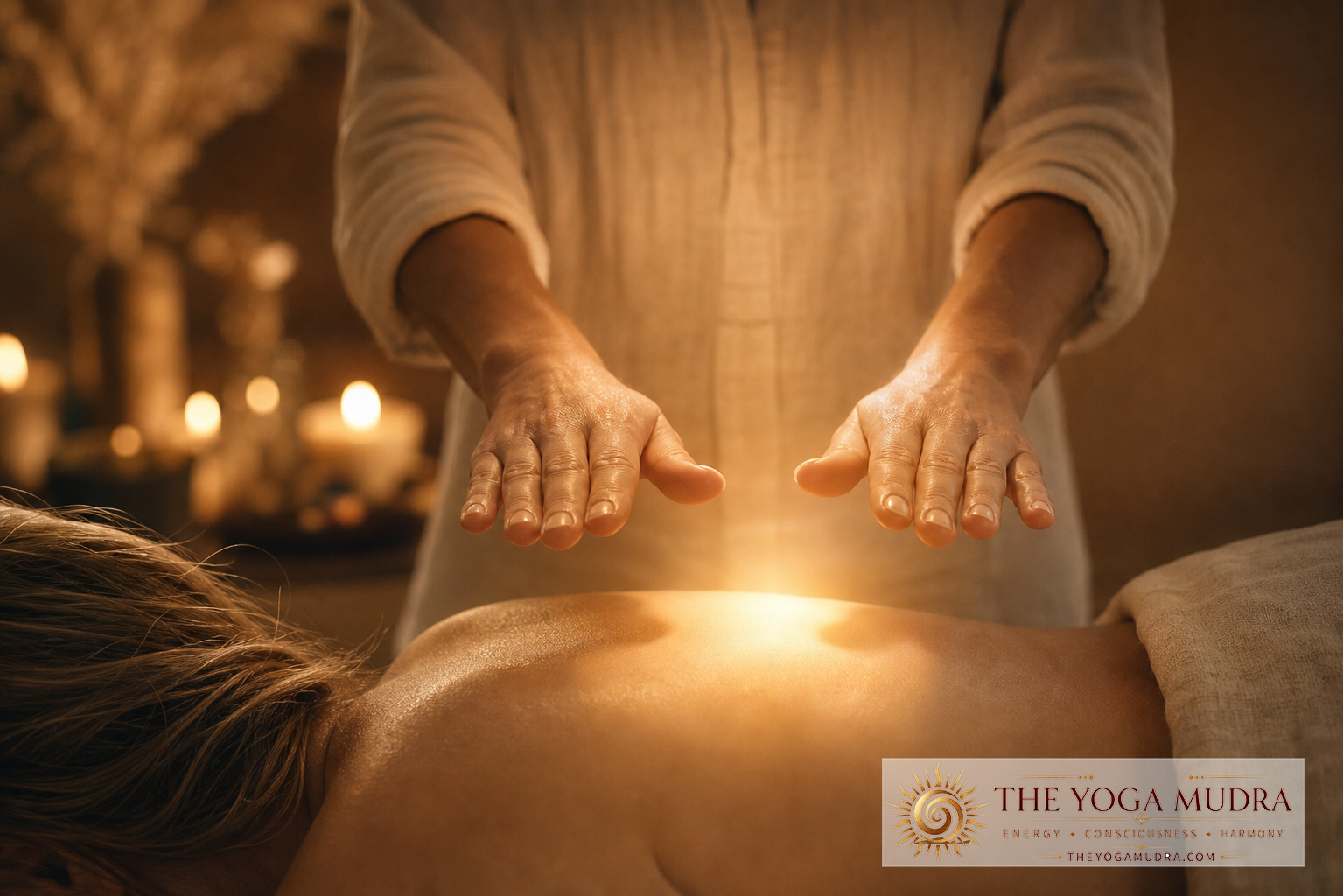
Reiki, this healing practice based on the channeling of energy, is sometimes used ahead of a moment of intimacy within this tradition. It is a healing art of Eastern origin, in which one person channels their energy toward another through light touch a practice found, moreover, in many other contexts besides this one, from bodywork to simple support for rest.
Through the stimulation of touch, the aim is to reach a deeper state of relaxation, beneficial both physically and relationally for couples who engage in it.
Tantric Yoga Knows It All
Tantric yoga, perhaps more than any other approach, foregrounds the exaltation of the physical being. It is from this profound commitment to oneself that the very concept of Tantra arises, and its followers are known as tantrikas.
These practitioners do not simply honor the physical state: they go so far as to explore every degree of the relationship to the body, in the hope of attaining certain powers the tradition calls occult. Today, this form of yoga is no longer widespread in India itself; it has survived only in a few remote regions, deep in the jungles and the foothills of the Himalayas, where the oldest traditions have sometimes been best preserved, far from the major cities.
Its origin, however, remains widely debated. Some researchers attribute it to pre-Aryan peoples, while others link it instead to the customs of broader ancient civilizations. What is known is that it emerged around the time Buddhism was flourishing a proximity that is likely no coincidence: certain Buddhist currents went on to incorporate, over time, signs and symbols specific to Tantrism, proof that these traditions influenced one another more than is generally believed.
The movement eventually developed into a genuine school of thought. Like the Vedas before them, the Tantras present themselves as collections of poems and verses devoted to the methods deemed right and fitting for honoring the sacred.
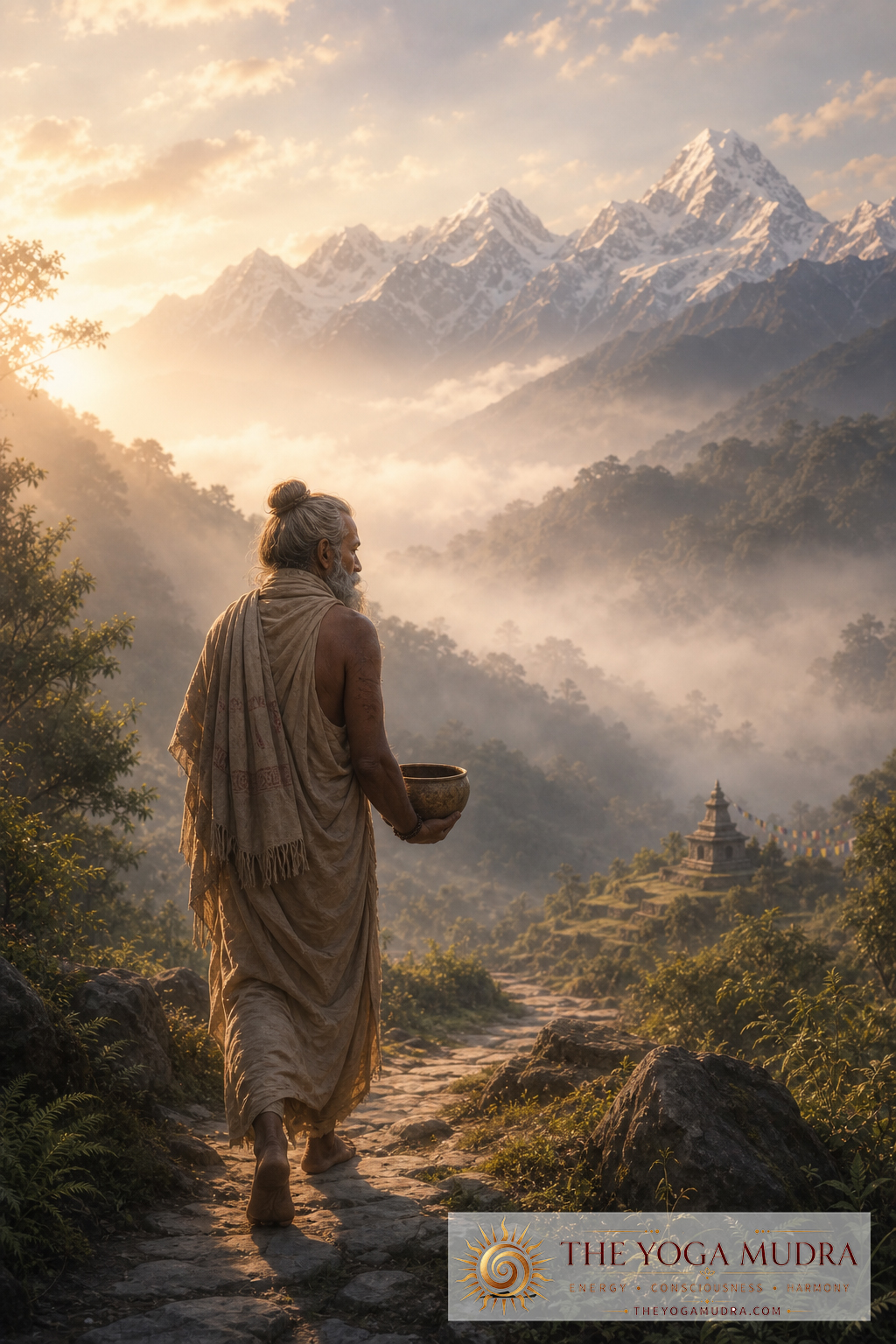
Many see it as an obscure and mystical tradition, in part because it is addressed above all to those who actively practice it, the sadhakas. These practitioners lead lives of great simplicity, in which yoga takes the place of daily prayer. They most often meditate in solitary places, far from the bustle of the world, recognizable by their robes and their begging bowl. As they travel, some sell medicinal plants, shells, amulets, or small handmade items, living hand to mouth through chance encounters rather than a steady wage.
This way of life has its bright sides, but also, according to some accounts, its darker corners: certain sadhakas are said to have engaged in excesses or in austerities inflicted on their own bodies practices that the tantric tradition itself acknowledges as controversial. Sexuality, in its various forms, holds a place there that Tantrism considers significant, without there being any need to detail its concrete expressions further here.
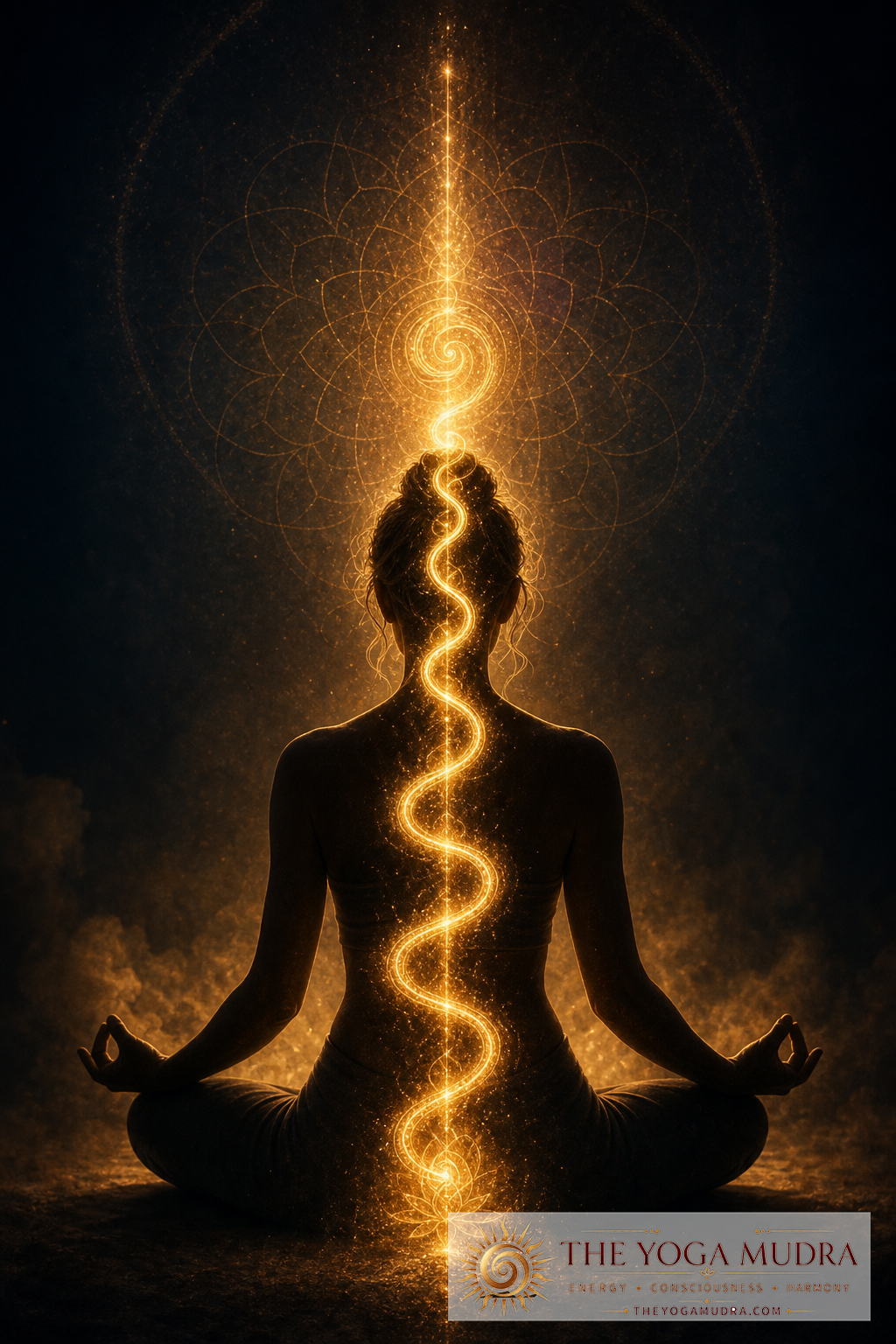
According to this tradition, there is a path to reaching siddhi, a state of power or spiritual accomplishment: the practice of Kundalini, sometimes called the serpent power. It is said that steady, regular practice allows this energy pictured as a serpent coiled at the base of the spine to uncoil and rise gradually, releasing an intense form of energy as it goes. The tradition describes this ascent as a profound physical and psychic experience, culminating in a point that some texts describe as a state of total fullness. Once this peak is reached, the practitioner is said to attain the status of sage, or Sadhu. The tradition warns, however, that if poorly mastered, this energy is just as capable of overwhelming and profoundly destabilizing the person as it is of elevating them hence the importance, the tradition itself insists, of guided rather than solitary practice.
Tantrism is also associated, in certain accounts, with a more transgressive path aimed at acquiring supernatural powers: some texts suggest that liberation might come through complete freedom of action, including action against established moral norms. This is one of the most controversial and debated readings of Tantrism, even among specialists in the tradition, and should not be confused with the practice of tantric yoga as a whole, which is far more measured.
Certain tantric yoga exercises are also credited with benefits for general health, particularly reproductive health much as the respiratory system needs air to function well. Here again, these are benefits traditionally reported rather than clinically established results, and medical advice remains recommended for any question concerning reproductive or sexual health.
Various exercises, both physical and spiritual, thus help integrate body, mind, and soul into a more coherent whole. Many find them suited to both starting and ending the day, before sleep. Through this regular practice, the body’s physiological functions are said to be stimulated, contributing, its practitioners say, to revitalizing a person’s overall well-being.